The Real Cost of Millwork Rework: What the Research Says
A literature review of peer-reviewed rework data from CII, NIST, and academic journals — what it means for millwork fabricators, and the data gap no published study has filled.

Practical articles on millwork shop drawings, AWI standards, BIM workflows, and outsourcing drafting work.
A literature review of peer-reviewed rework data from CII, NIST, and academic journals — what it means for millwork fabricators, and the data gap no published study has filled.
Common conflict types with ductwork, plumbing, and electrical; 2D overlay vs. BIM clash detection; coordination drawing documentation; and the GC-directed resolution process.
IBC Section 603 exceptions for millwork, FRTW pressure treatment requirements, ASTM E84 flame spread classifications, non-combustible substrate alternatives, and submittal documentation.
Dynamic blocks, annotation scaling, xref workflow, layer naming standards, Sheet Set Manager for large packages, and common AutoCAD mistakes in millwork production.
SketchUp + LayOut workflow, CabWriter plugin, DWG export limitations, when to redraw in AutoCAD, and what to send a drafter when your design lives in a .SKP file.
Stage cost comparison, 7 error types drawings catch before the saw runs, the break-even calculation, and why building from architectural drawings alone increases rework risk.
Difference between shop drawings and as-builts, common field deviation types, red-line markup process, CAD conversion from field measurements, and project closeout requirements.
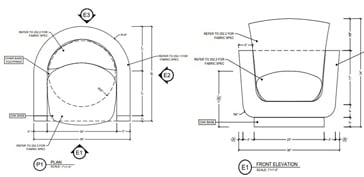
Structural frame vs. finished dimensions, upholstery allowances, storage drawer integration, ADA accessible positions, CAL 117 foam requirements, and inside corner conditions.
Profile cross-sections, reveal dimensions, plinth block base intersections, corner conditions, jamb extensions, and when custom trim casing requires formal shop drawings.
Coffer grid layout, hollow beam box construction, nailer structural attachment, profile details, HVAC diffuser coordination, and lighting integration in hospitality and office projects.
IRC combustible clearance requirements, pilaster construction details, cornice block profiles, substrate material selection, and tile/stone interface documentation.
Unit-type drawing strategy, repeat layout efficiency, phased delivery schedules, ADA accessible unit requirements, and how to coordinate with developer standard specs.
ADA dimensions for nurse stations, infection-control surface materials, NSF compliance, MEP rough-in coordination, and what healthcare submittal reviewers look for.
AWI grades for institutional millwork, durability specs, grade-level casework heights, science lab countertop standards, ADA requirements, and public school submittal review chains.
Scale selection for elevations, sections, and details; line weight standards; text heights; architectural dimensioning style; AutoCAD layer naming; and title block requirements.
Bar top heights, underbar equipment coordination, back bar display details, NSF surface requirements, brand standard compliance, and the hospitality project review process.
Counter heights, knee clearance dimensions, reach ranges, clear floor space, hardware requirements, and how to label accessible units in a commercial millwork submittal.
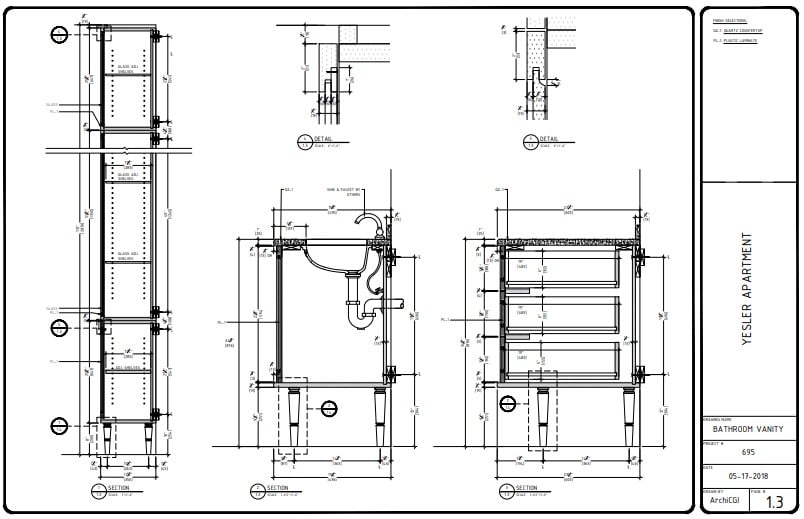
Standard vanity dimensions, sink cutout details, plumbing rough-in coordination, floating vs. floor-mounted construction, ADA accessible specs, and hardware schedules.
A clear definition of millwork shop drawings — what they contain, how they differ from construction documents, who produces them, and how the submittal approval process works.
Walk-in and reach-in layouts, hanging rod heights, tower drawer units, adjustable shelving, material specs, and the details that prevent field fit-up problems on install day.
IBC tread and riser requirements, handrail heights, baluster spacing, newel post construction types, and coordination with structural drawings for custom wood stairs.
Shelf span and sag calculations, crown molding integration, scribing details, wall blocking requirements, and the section views that prevent costly field revisions.
Brand standards compliance, modular fixture rollouts, finish and lighting specifications, and the multi-party review chain for retail tenant improvement projects.
AWI Custom grade, ADA compliance dimensions, electrical and data coordination, wall blocking requirements, and what GC reviewers check before approving a submittal.
Plan views, elevations, sections, CNC-compatible formats, face frame vs. frameless details, hardware schedules, and appliance clearances — a complete guide for fabricators.
RFIs, PCOs, ASIs, CCDs, and signed change orders — how to write, track, and respond to each so scope changes don't become uncompensated work at project closeout.
ADA counter heights (34"/42"), knee clearance dimensions, electrical rough-in, grommet locations, modular construction joints, and the finish schedule details fabricators need.
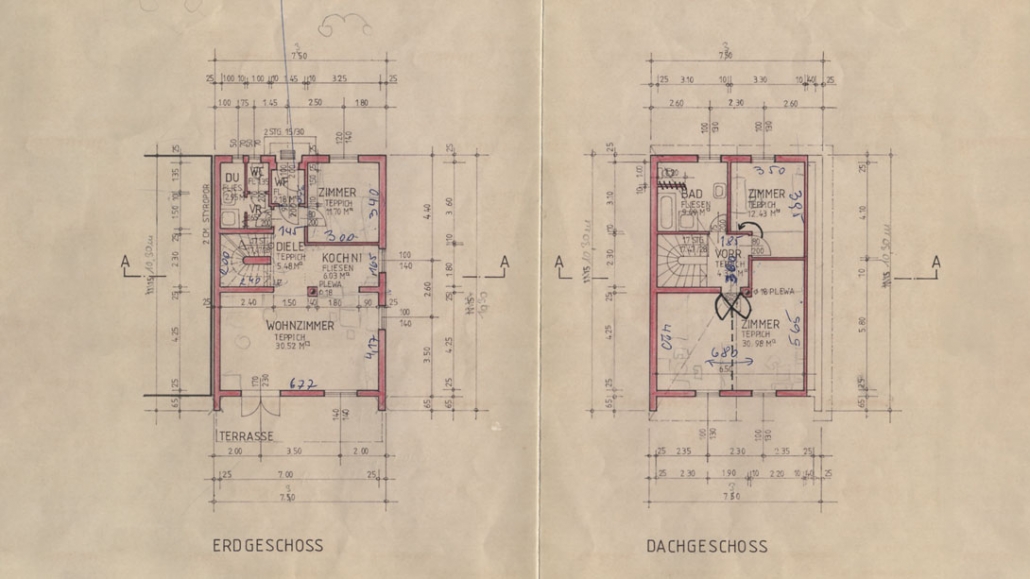
Raised panel, flat panel, beadboard — stile and rail assemblies, dado joinery, cope and stick, substrate selection, finish schedule, and electrical coordination details.
FF&E procurement, guestroom casegoods, brand standards, mock-up rooms, ADA compliance for accessible guestrooms, and the full approval chain on hotel projects.
LOD 200 through 400, Revit casework families, Navisworks clash detection, IFC exports, and what a realistic millwork BIM deliverable looks like on a commercial project.
AWI grades, substrates, finish systems, hardware schedules, and submittal requirements — everything the project spec governs before a single line is drawn.
Salary, benefits, software, downtime — the full cost of an in-house drafter vs. paying per hour for outsourced drawings, with a side-by-side breakdown and break-even analysis.
The most common reasons architects and GCs issue "Revise and Resubmit" — AWI grade omissions, hardware mismatches, dimension conflicts — and how to fix them before submission.
Exactly what drawings, measurements, hardware specs, and notes to include when briefing an outsourced drafter — and how complete inputs cut turnaround time.
The recurring errors — dimensioning conflicts, missing hardware specs, revision control failures — that cause rework and failed submittals, and how to prevent each one.
Hourly rates, per-project ranges, and what drives the estimate up or down — with a cost table by project type so you can budget before you send a brief.
What to include when briefing a millwork drafter — drawings, specs, hardware, field measurements — and how complete information at kickoff affects turnaround.

How millwork shop drawings differ between commercial and residential projects — submittal requirements, AWI grades, and what changes at the shop level.
When and why to digitize legacy millwork drawings — the process, what formats you get, and how to use digitized CAD files in production and submittal packages.
Why millwork shop drawings take as long as they do, what shortens turnaround without cutting quality, and how to plan your drawing schedule realistically.
What every view type, section marker, dimension convention, and revision cloud in millwork shop drawings actually means — a guide for project managers and GCs.
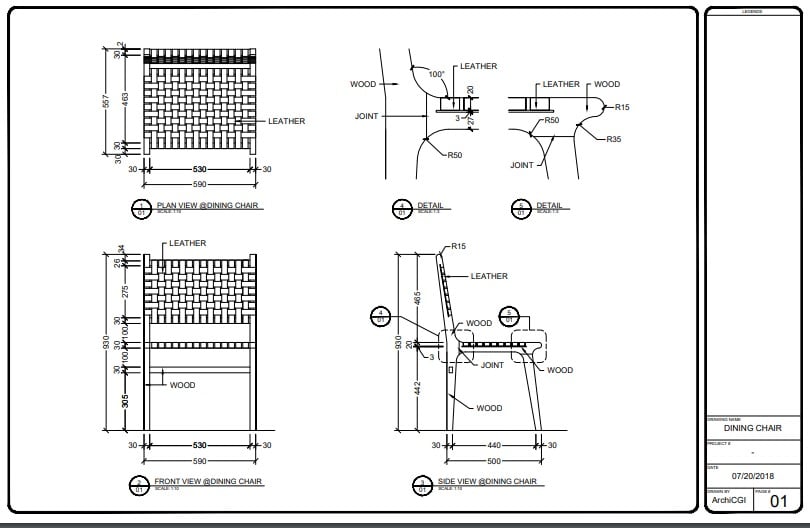
A complete furniture shop drawing package shows how every joint goes together and where every piece of hardware lands — not just what the piece looks like.
On any commercial project, millwork shop drawings go through a formal submittal and approval process before fabrication can begin. Here's how that process works.
There's a difference between a cabinet drawing that satisfies an architect's approval process and one that a shop can actually build from. Here's what the latter looks like.
Before a panel gets cut, someone needs to confirm the drawing set covers every view, detail, and schedule the shop floor needs. Here's what that looks like in practice.
What the Architectural Woodwork Institute quality grades actually mean for your shop drawings, and how they affect fabrication tolerances and material specs.
When does BIM make sense for millwork, and when is 2D CAD still the right tool? A no-hype breakdown for shop owners and project managers.
A practical guide to vetting drafting vendors, setting up handoff workflows, and keeping your production on schedule when you bring in outside help.
Get a free quote on your next millwork or cabinet drawing project.